Trades & Technician Pathway to New Zealand Residency
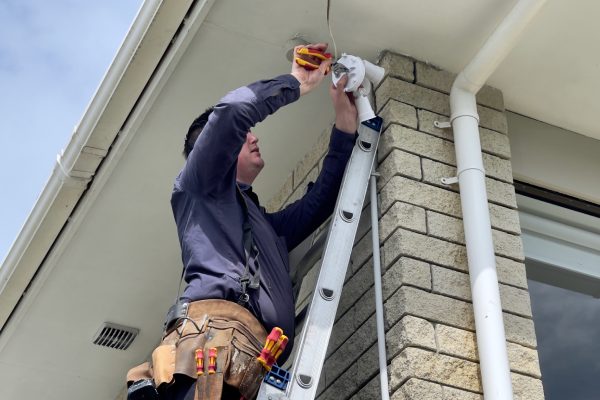
The Trades & Technician Pathway offers a clear route to residency for qualified workers in practical, technical occupations. If you work in construction, engineering, automotive, electrical, or related fields, this pathway may lead to residency through Skilled Trades after 18 months of employment in New Zealand.
In 2026, New Zealand continues to prioritise infrastructure, housing, and renewable energy projects. That demand supports the New Zealand skilled trades pathway under residence categories such as the Skilled Migrant Category Resident Visa and sector-specific residence pathways.
But holding a trade qualification alone is not enough. Immigration to New Zealand assesses your qualification level, wage, and employment history before granting residence.
Overview of the Trades & Technician Pathway
The Trades & Technician Pathway sits within the broader skilled residence system. It allows eligible tradespeople and technicians to apply for skilled trades worker residence in NZ after meeting work and wage thresholds.
Most applicants qualify through:
- The Skilled Migrant Category Resident Visa
- The Green List Work to Residence pathway, if their occupation appears on the Tier 2 Green List
In 2026, applicants generally need:
- A skilled job offer or current skilled employment
- A role classified at NZQCF Level 4 or above, depending on occupation
- Pay at or above the median wage, unless a sector agreement applies
The government uses wage levels to confirm that your role is genuinely skilled. Lower-paid roles are unlikely to qualify, even if the title suggests technical responsibility.
If you are considering a trades technician visa route to New Zealand, you must confirm that your job matches an approved occupation code and skill classification.
Required Qualifications and Skill Levels
Qualification standards are strict.
Most trades and technician roles require:
- A Level 4 or higher New Zealand Qualification Framework qualification, or
- An overseas qualification assessed as comparable, or
- Evidence of recognised industry registration
For regulated trades such as electricians or plumbers, you must hold registration with the relevant New Zealand authority before your employment counts as skilled.
Immigration officers compare:
- Your formal qualification
- Your job description
- Your employment contract
- Industry registration status
If your qualification does not align with your job duties, your application may be declined.
For technician work experience assessments in New Zealand, experience alone is rarely enough. Formal qualifications or recognised equivalency assessments are usually required.
Work Experience and NZ Wage Thresholds
Wage thresholds remain central to eligibility in 2026.
Under current policy settings:
- Skilled residence categories typically require pay at or above the New Zealand median wage
- Some Green List roles may have specific salary thresholds
- Sector agreements may allow lower pay temporarily, but often do not lead directly to residence
You must be employed full-time, at least 30 hours per week. Casual or part-time work usually does not qualify.
Length of employment also matters. Under the Skilled Migrant Category, applicants must demonstrate ongoing skilled employment at the time of application. Under Green List Work to Residence, you generally need 24 months of work in a listed occupation before applying for residence.
If your wage drops below the required threshold during assessment, you risk refusal. That is why salary tracking is essential if your goal is residency through skilled trades in New Zealand.
Application Process and Evidence Checklist
The process usually follows these steps.
- Confirm occupation eligibility
Check your occupation code and whether it appears on the Green List or qualifies under the Skilled Migrant Category. - Verify wage level
Ensure your salary meets or exceeds the required threshold. - Gather documentation
You will typically need:
* Passport and identity documents
* Employment agreement
* Recent payslips
* Tax records
* Qualification certificates
* Qualification assessment was gained overseas
* Industry registration, if required
* Police and medical certificates - Submit a residence application
Immigration New Zealand assesses your role, wage, and qualifications.
Processing times vary depending on application volume and complexity. Incomplete documentation remains one of the main causes of delay.
Many tradespeople focus only on their technical skills. Immigration focuses on evidence. Every claim must be supported by written proof.
At Tri-Nations Migration, we review your job classification, confirm that your salary meets 2026 thresholds, and assess whether your employment aligns with residence policy before submission. Contact us to request a personalised eligibility review.
If you work in a high-demand trade and meet the wage and qualification standards, the Trades & Technician Pathway offers a structured route to skilled trades worker residence in New Zealand. With proper planning and compliant employment, the Trades & Technician Pathway can position you for long-term settlement in New Zealand.