Australia Migration Program 2026-27: What’s Changed
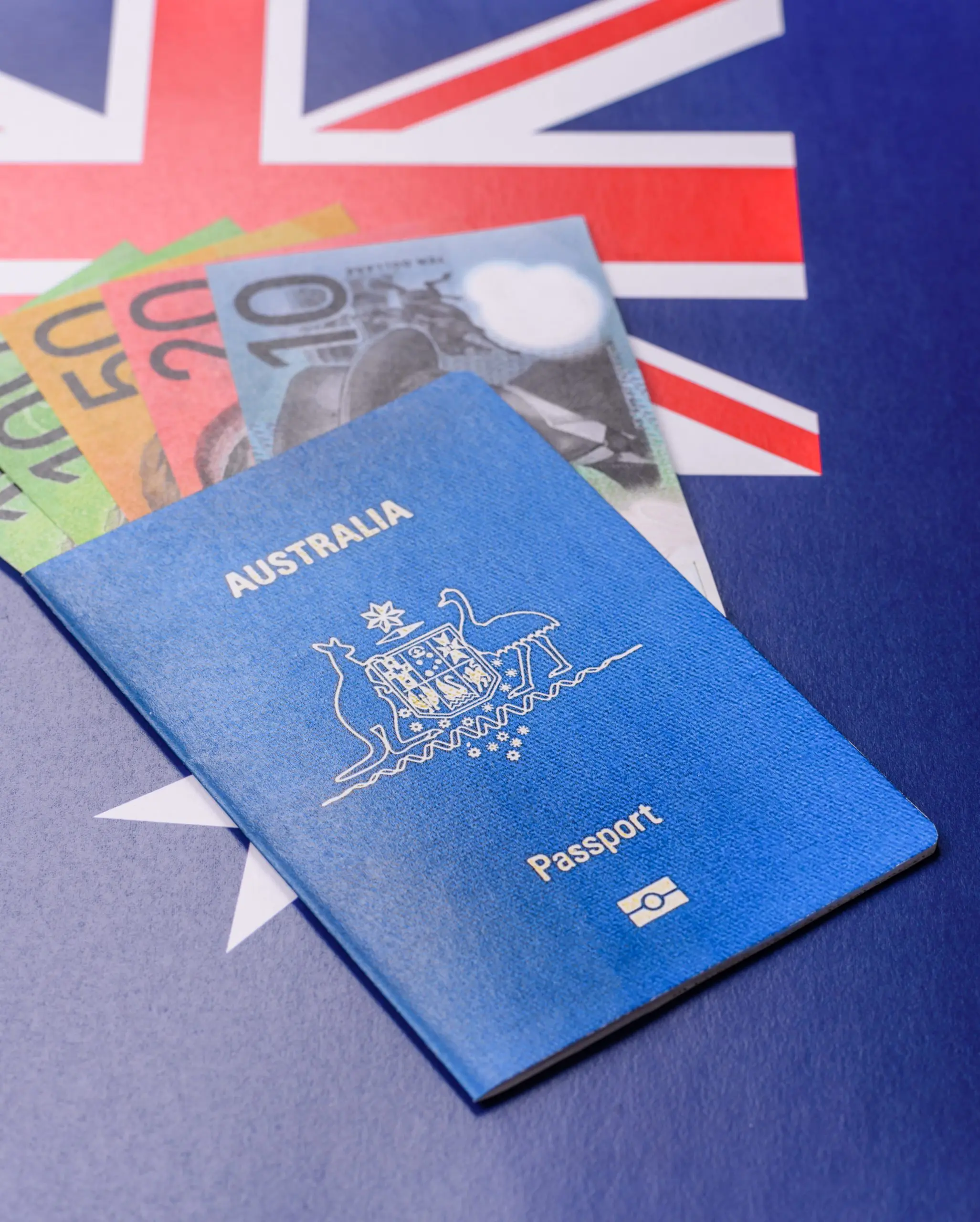
As 2026 comes to a close, the Australian migration program for 2026–27 keeps the permanent intake at 185,000 places, but the mix within the skilled stream has changed. Employer-sponsored, Skilled Independent, and State/Territory Nominated places have increased, while the Regional planning allocation has fallen sharply.
For people considering immigration to Australia, that shift matters. A pathway that looked competitive under the previous migration program planning levels may now deserve to be compared with employer sponsorship or state nomination before an application strategy is set. State nomination means a state or territory government supports your visa application.
2026–27 Permanent Migration Program Planning Levels
The Australian Government announced the 2026–27 permanent migration program planning levels on 12 May 2026. The program year began on 1 July 2026. The overall permanent migration program remains at 185,000 places, the same total as 2025–26. Approximately 71% of the total allocation, equivalent to 132,240 planned permanent visa places for individuals, falls under the Skilled Migration Program.
The Family Program accounts for 52,460 places, with another 300 allocated to Special Eligibility.
The stable total does not mean applicants face the same conditions as last year. Places have been moved between skilled categories, giving greater weight to employer-backed applicants and some permanent skilled pathways.
People comparing Australian and New Zealand options can also speak with Omigration’s New Zealand immigration advisers about which country’s skilled migration rules better match their occupation and experience. Ask Omigration for a free eligibility check to explore your next step.
Skilled Migration Program
The skilled migration program remains the largest part of Australia’s permanent intake at 132,240 places. Within it, however, the government has changed where those places sit. The Regional category has 14,110 planned places, down from 33,000 in 2025–26.
For a skilled worker, the practical question goes beyond whether an occupation appears on an eligible list. Australia’s points-tested skilled visas require at least 65 points to be considered for an invitation to apply. They include the independent skilled visa (subclass 189), state-nominated skilled visa (subclass 190), and temporary regional skilled visa (subclass 491).
Points are awarded based on factors such as age, English-language ability, skilled work experience and recognised qualifications. Eligible applicants may also receive additional points for certain partner circumstances or state and territory nomination, depending on the visa subclass.
Meeting the minimum 65-point threshold does not guarantee an invitation to apply. Applicants should also consider occupation eligibility, employment history, relevant skills assessments (checks that your skills meet the standard for your occupation), potential employer sponsorship, and individual state or territory requirements when choosing a migration pathway.
Employer-Sponsored and Skilled Independent Migration

The increase to 58,040 places makes employer-sponsored migration the largest individual category within the skilled program. For workers who already have an Australian employer willing and able to sponsor them, this can make employer-sponsored permanent residence particularly relevant to assess.
Skilled Independent migration also grows to 21,090 planned places. The points-tested pathway does not require employer or state nomination, but applicants still need to meet the relevant skilled visa requirements and receive an invitation through SkillSelect, the government’s online system for registering interest in a skilled visa. Registering your interest is not a visa application.
Consider an experienced engineer who has enough points to pursue a Skilled Independent visa but also has an Australian employer prepared to sponsor a permanent role. Under the new allocation, relying on one route without comparing the other could mean overlooking a pathway that better fits the applicant’s circumstances.
A free eligibility check through Omigration can help you compare both options before you commit time and application costs. No planning level guarantees an invitation or visa grant.
State and Territory Nominated Migration
State/Territory nominated places increase from 33,000 to 35,500 for 2026–27. These pathways can be valuable for skilled applicants whose occupation and experience match a state or territory’s workforce needs.
The national planning figure should not be confused with the number of new primary applicants each Australian state or territory can nominate each year. These are the main applicants, not their accompanying family members. The Australian Department of Home Affairs explains that states and territories receive separate nomination allocations and apply their own eligibility criteria for the permanent Skilled Nominated visa (subclass 190) and temporary Skilled Work Regional (Provisional) visa (subclass 491).
State or territory nomination is an important step in these visa pathways, but it does not guarantee that an applicant will receive a visa. The number of nominations available also does not determine how many visas will ultimately be granted.
This distinction matters because a strong points score alone may not be enough. Applicants should check the state’s occupation requirements, nomination criteria, and current program settings before relying on that route.
Omigration can review your occupation, qualifications, work history, points position, and possible sponsorship options through our immigration agency in New Zealand.
Reach out to us for a free eligibility check as 2026 comes to a close, and share your age, occupation, qualifications, work experience, and any Australian employment connections. The 2026–27 Australian migration program gives more places to several skilled pathways, but the best route still depends on how your individual profile fits the current visa and nomination rules.